Owning a car comes with freedom, convenience, and responsibility. Whether you drive every day, only use your vehicle on weekends, or are helping a new driver learn the basics, it helps to understand the services that keep a vehicle safe, dependable, comfortable, and valuable.
Many drivers wait until something goes wrong before thinking about maintenance or repairs. That is understandable, but it can also lead to higher costs, stressful breakdowns, and damage that could have been prevented. A little knowledge goes a long way. When you understand what different services do, when they are useful, and how to prioritize them, you can make smarter decisions instead of guessing under pressure.
Car care is not only about fixing problems. It is also about prevention, protection, comfort, emergency planning, and long-term value. Some services help your vehicle last longer. Others help protect the paint, improve visibility, make driving more comfortable, or help you respond safely when something unexpected happens.
Know Which Upgrades Help Protect Your Paint
The exterior of your vehicle takes a beating every time you drive. Road debris, bugs, rain, salt, sun exposure, bird droppings, and harsh cleaning products can all wear down the finish over time. Paint damage may seem cosmetic at first, but it can affect resale value and, in some cases, lead to rust if the surface is compromised.
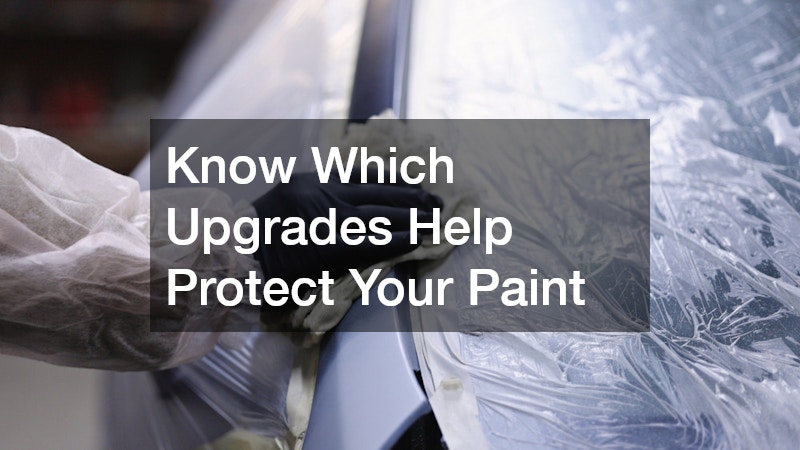
Protective products can help preserve your vehicle’s appearance and make it easier to clean. Two common options are ceramic auto coating and car clear bra. They are different services, but both are designed to help protect the exterior.
A ceramic coating is a liquid product applied over the paint. Once cured, it forms a slick, protective layer that repels water, dirt, and grime. It can make washing easier, increase gloss, and help protect against minor environmental damage. It does not make the vehicle scratch-proof, but it can make regular care much easier.
Here is a simple way to think about the difference:
- A coating helps with shine, washing, water behavior, and surface protection.
- A clear film helps protect against chips, scratches, and physical impact.
- Used together, they can provide greater exterior protection.
Before investing in either service, the paint should be properly cleaned and inspected. If the vehicle has swirl marks, scratches, oxidation, or water spots, those imperfections may need to be corrected before the paint correction. Applying protection over damaged paint will not magically fix the surface underneath.
Handle Dents Early to Protect Appearance and Value
Dents are common. A shopping cart rolls into a door. Hail hits the roof. Someone opens their car door too close to another car in a parking lot. A branch falls during a storm. Many drivers ignore small dents because the vehicle still runs fine, but dents can still affect value and appearance.
Some dents are purely cosmetic. Others can crack paint, expose metal, or hide more serious damage. Once paint is cracked, moisture can get underneath and start to corrode. That is why it is smart to evaluate dents early rather than wait until the damage worsens.
A car dent repair company may offer several repair options depending on the size, depth, and location of the damage. Paintless dent repair is often used when the paint is still intact, and the dent can be accessed from behind the panel. The technician carefully massages the metal back into shape without sanding, filling, or repainting the area.
Paintless dent repair may work well for:
- Small door dings
- Minor hail damage
- Shallow dents
- Dents with intact paint
- Damage to accessible panels
Dents can also affect how people view a vehicle. A car with visible damage may seem neglected, even if it is mechanically sound. If you plan to sell or trade in your vehicle, repairing noticeable dents can make a better impression.
Before approving any repair, ask what method will be used and whether paintwork is required. If the damage is minor, paintless repair may be faster and less invasive. If repainting is needed, ask how the shop will match the color and whether the repair includes a warranty.
Understand Where to Go After a Collision
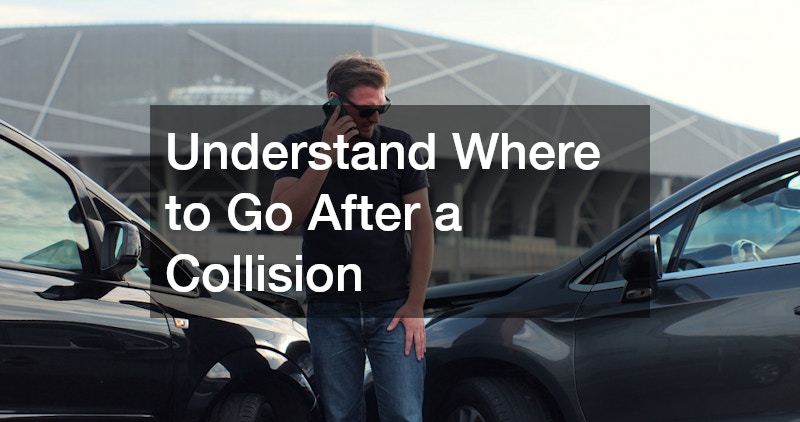
A crash can be stressful, even if it seems minor. Once everyone is safe, the next steps matter. Proper documentation, insurance communication, and repair choices can affect your safety, your claim, and the final quality of the repair.
After a collision, start with safety. Move to a safe location if possible, turn on hazard lights, and call emergency services if anyone is hurt or the vehicles cannot be moved safely. Exchange information with the other driver, take photos, and document the scene.
Important photos to take include:
- All sides of each vehicle
- Close-ups of visible damage
- License plates
- Driver’s license and insurance information, if appropriate
- Road conditions
- Traffic signs or signals
- Skid marks or debris
- Airbag deployment
- Any visible injuries, if needed for documentation
Once the immediate situation is handled, the vehicle may need professional evaluation. Collision repair services can include much more than replacing a bumper or repainting a scratched panel. Modern vehicles have sensors, cameras, crumple zones, frame components, and safety systems that may need inspection or calibration.
An auto body repair shop specializes in exterior and structural repairs. This is different from a general mechanic who focuses mostly on engine, brake, suspension, and drivetrain issues. In some cases, both may be involved, especially if the crash caused mechanical damage.
Proper collision repair is about more than appearance. It helps ensure the vehicle protects you correctly if another crash happens later.
Make Used Car Shopping More Informed
Buying used can be a smart financial decision. New vehicles lose value quickly, and a well-chosen used vehicle can provide years of reliable service. But used car shopping requires patience and careful inspection. A low price is not always a good deal if the vehicle has hidden problems.
Before visiting used auto dealerships, research the type of vehicle you want. Look into common problems, average repair costs, fuel economy, insurance costs, and resale value. Some models are known for reliability, while others may have expensive issues at certain mileage points.
During the test drive, pay attention to how the vehicle feels. It should start easily, idle smoothly, shift properly, brake straight, and drive without pulling, shaking, or making unusual noises. Test it on local roads and, if possible, at highway speeds.
Red flags include:
- Fresh paint with no explanation
- Mismatched body panels
- Uneven tire wear
- Musty interior smell
- Dashboard warning lights
- Rough shifting
- Overheating
- Smoke from the exhaust
- Seller pressure
- Missing title
- “As-is” language with no chance to inspect
The goal is not to find a perfect vehicle. Used cars often have wear. The goal is to know what you are buying before you commit. A good purchase starts with information, not pressure.
Improve Comfort, Privacy, and Sun Protection
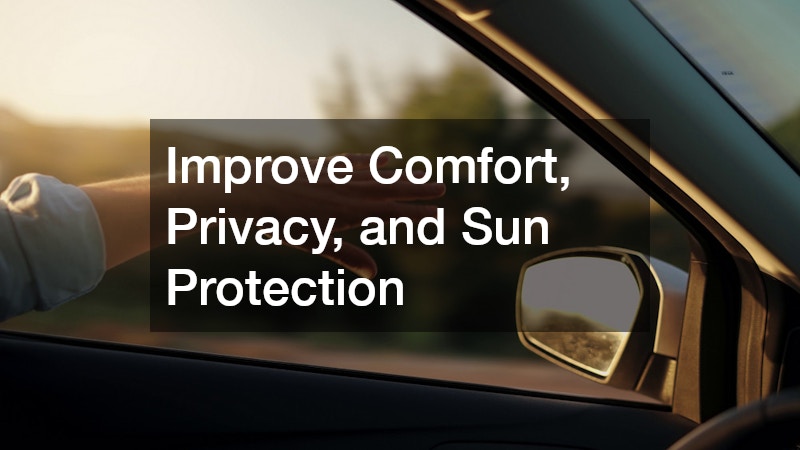
Window tint is one of the most popular vehicle upgrades because it can improve both appearance and comfort. Many drivers like the look, but the practical benefits are just as important. Auto tint can help reduce glare, improve privacy, block some UV exposure, and keep the cabin cooler.
This can make daily driving more comfortable, especially during sunny months. It can also help protect interior materials from fading and cracking over time. Seats, dashboards, steering wheels, and trim can all be damaged by long-term sun exposure.
There are several tint options available, and they are not all the same. Basic dyed film is usually more affordable, but it may not perform as well over time. Carbon and ceramic films often offer better heat rejection and durability. Ceramic tint is typically more expensive, but it can provide strong performance without needing to be extremely dark.
When choosing tint, consider:
- Local legal limits
- Heat rejection
- UV protection
- Nighttime visibility
- Glare reduction
- Film quality
- Warranty
- Installer reputation
Darker is not always better. A high-quality lighter film may reject more heat than a cheap dark film. Visibility is also important. A tint that is too dark can make nighttime driving harder and may create legal issues, depending on where you live.
It is also important to understand the difference between factory privacy glass and aftermarket film. Many SUVs and trucks come with darker rear glass from the factory, but that does not always mean it provides the same heat or UV protection as quality aftermarket film.
Prepare for Breakdowns Before They Happen
Even a well-maintained vehicle can break down. Batteries fail, tires go flat, engines overheat, belts snap, and accidents happen. The key is being prepared before you are stuck on the side of the road.
Towing may be necessary when a vehicle is not safe to drive. Some drivers try to limp a damaged vehicle home, but that can make the problem worse or put others at risk. If the brakes are failing, the engine is overheating, the steering feels unsafe, or warning lights suggest serious trouble, it is better to stop and get help.
Situations that may require roadside help include:
- Vehicle will not start
- Flat tire with no safe spare
- Overheating
- Brake failure
- Transmission problems
- Accident damage
- Engine warning light flashing
- Smoke or burning smell
- Suspension damage
- Vehicle stuck in mud, snow, or a ditch
If your vehicle breaks down, pull over as far from traffic as safely possible. Turn on hazard lights. Stay inside the vehicle if it is safer than standing outside, especially on a busy highway. If you must exit, move away from traffic and stay visible.
It is smart to save roadside assistance numbers in your phone before you need them. Some insurance plans, credit cards, dealerships, and auto clubs offer roadside programs. Knowing what coverage you have can save time and money during an emergency.
Build Safer Habits Behind the Wheel