
Manufacturing has always depended on more than the equipment found on a production floor. Behind every finished product is a network of suppliers, service providers, logistics teams, material handlers, maintenance professionals, and specialized contractors that keep operations running efficiently. As manufacturing becomes more advanced and customer expectations continue to rise, these outside partners are becoming even more important. A modern manufacturer may need precision machinery, raw materials, equipment maintenance, storage systems, transportation services, recycling support, and emergency deliveries within the same week. Coordinating all of these resources requires strong relationships with dependable companies that understand industrial environments and can respond quickly when needs change. The strongest supply chains are built around more than price alone. Manufacturers increasingly look for partners that can improve reliability, reduce downtime, support expansion, and help facilities adapt to new production demands. From machining and material sourcing to transportation and waste management, these relationships can influence nearly every stage of the manufacturing process.
Precision Equipment Supports Consistent Production
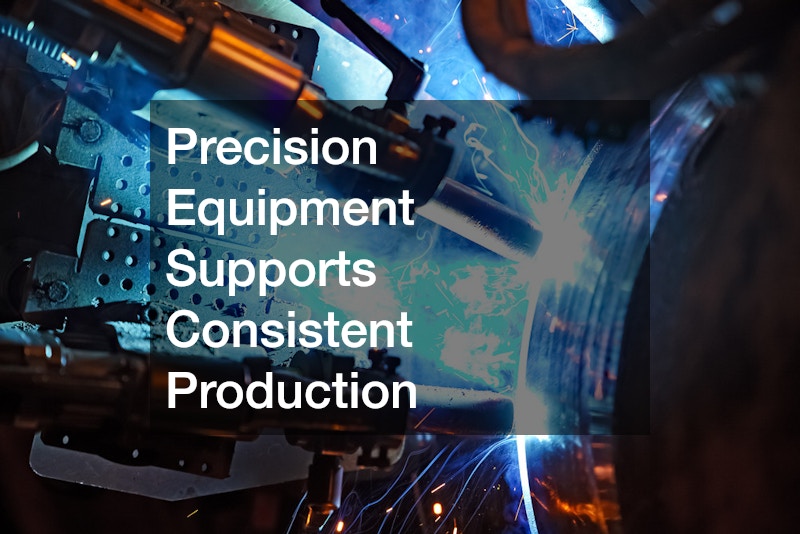
Machining continues to play a major role in manufacturing, particularly for companies producing components that require tight tolerances and repeatable results. Advances in computer-controlled equipment have made it possible to manufacture complex components with greater speed, accuracy, and consistency. One important example is the use of cnc lathes in production environments. These machines allow manufacturers to automate turning operations and produce components with precise dimensions. They are commonly used for shafts, fittings, fasteners, bushings, and many other cylindrical components. Working with reliable equipment suppliers can help manufacturers select machines that match their production requirements. A supplier may also provide training, technical support, replacement components, and maintenance assistance. These services become especially valuable when equipment is expected to operate for long hours or support high-volume production schedules. Machine reliability directly affects output. When a critical piece of equipment goes offline, production schedules can quickly fall behind. Manufacturers that develop strong relationships with knowledgeable machinery providers often have better access to support when unexpected problems occur.
Specialized Components Keep Production Moving
Manufacturing facilities frequently depend on thousands of individual components to keep equipment, vehicles, and production systems operating. Even a relatively small missing component can cause delays if it prevents a machine or vehicle from operating properly. Facilities that manufacture, maintain, or service vehicles may rely heavily on suppliers of auto parts. These suppliers can support everything from fleet maintenance to assembly operations, depending on the type of manufacturing business involved. The availability of replacement components becomes especially important when manufacturers operate their own transportation fleets or depend on industrial vehicles inside the facility. Forklifts, utility vehicles, trucks, and service vehicles all require ongoing maintenance. Establishing relationships with reliable component suppliers can help reduce the amount of time spent searching for replacements. Manufacturers may also benefit from suppliers that maintain broad inventories or can quickly source less common items when required.
Accurate Site Data Helps Facilities Plan Growth
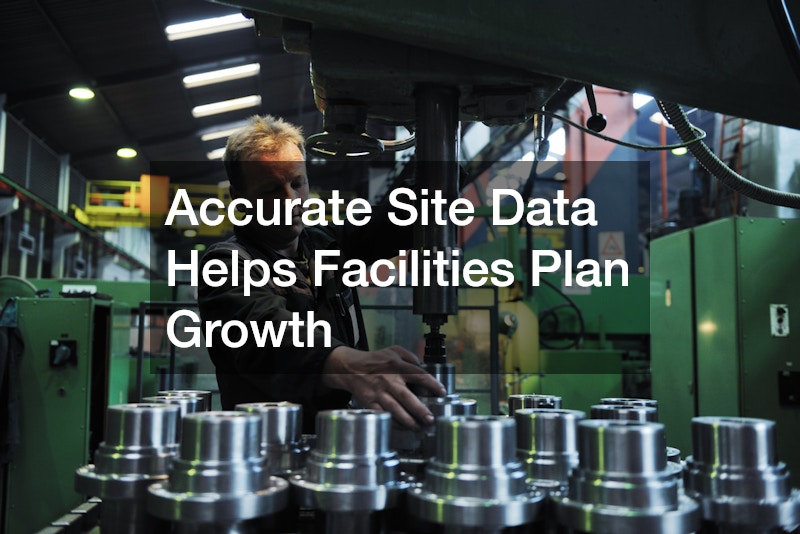
Manufacturing facilities frequently change over time. New production lines may be installed, storage areas may expand, additional structures may be constructed, and transportation routes around the property may need to be redesigned. Accurate information about the property can make these projects easier to plan. Some manufacturers now use drone mapping services to collect detailed aerial data about facilities, land, construction areas, and surrounding infrastructure. Aerial mapping can provide useful information for facility planning, construction projects, drainage analysis, inventory management, and site development. It may also help project managers understand how equipment, buildings, and transportation areas are positioned across a large industrial property. Manufacturers planning an expansion can use detailed site information to communicate more effectively with engineers, contractors, and construction teams. Better data can reduce uncertainty and provide decision-makers with a clearer understanding of the property before major work begins.
Heavy Equipment Requires Experienced Handling
Manufacturing facilities regularly move machinery that may weigh several tons. Installing or relocating presses, milling machines, tanks, production equipment, or industrial systems often requires specialized lifting equipment. Working with an experienced crane company can help manufacturers safely position heavy equipment during facility expansions, machinery replacements, and production line changes. Heavy lifting projects usually require careful planning. Contractors may need to evaluate equipment weight, lifting points, facility access, overhead clearance, and the final placement location before work begins. Coordination is especially important when machinery must be moved without interrupting other operations. Experienced lifting professionals can work alongside equipment installers, electricians, maintenance teams, and facility managers to organize the project. Manufacturers that regularly expand or modify their facilities may benefit from establishing long-term relationships with lifting and rigging professionals. Familiarity with the property can make future projects easier to coordinate.
Reliable Fluid Systems Protect Production Processes
Many manufacturing processes depend on the movement of liquids, chemicals, coolants, wastewater, or other fluids. Pumps are often responsible for maintaining this movement throughout a facility. Selecting the right industrial pump can be critical for maintaining reliable production. Different applications may require different pump designs based on flow rate, pressure, temperature, fluid characteristics, and operating conditions. Pump failures can create significant problems. Depending on the application, a malfunction may stop a production process, interfere with cooling systems, prevent wastewater movement, or create maintenance concerns. Manufacturers often rely on specialized pump suppliers for equipment selection, replacement units, technical troubleshooting, and maintenance recommendations. Suppliers with industrial experience can help facilities choose equipment designed for demanding operating conditions. Preventive maintenance is also important. Monitoring seals, bearings, motors, and other components can help identify potential issues before they lead to equipment failure.
Smarter Storage Makes Better Use of Facility Space
Floor space is one of the most valuable resources inside a manufacturing facility. As companies increase production, they often accumulate more tools, components, raw materials, and finished goods. Without an organized storage strategy, valuable production space can quickly become crowded. Some facilities address this challenge by using vertical storage services that help them utilize the height of the building rather than relying entirely on floor-level shelving. Vertical storage systems can improve organization while reducing the footprint required for inventory. Automated systems may also bring stored items directly to employees, reducing unnecessary walking and improving picking efficiency. These systems can be especially useful for tooling, spare components, maintenance supplies, small inventory items, and frequently used production materials. Better storage organization may also improve inventory visibility. When items have designated locations, employees can spend less time searching for materials and more time completing productive tasks.
Responsible Material Recovery Reduces Waste
Manufacturing naturally generates waste materials. Metal shavings, damaged components, outdated equipment, offcuts, and leftover materials may accumulate during production. Rather than sending usable material directly to a landfill, many manufacturers work with scrap metal recycling providers. Recycling allows metals such as steel, aluminum, copper, brass, and stainless steel to reenter the material supply chain. A well-organized recycling program can also improve facility cleanliness. Manufacturers may designate containers for different materials and schedule regular pickups to prevent scrap from accumulating around production areas. Separating recyclable materials can make the process more efficient. Employees should understand where different materials belong and which items require special handling. Recycling relationships can also support broader sustainability initiatives. Manufacturers increasingly look for practical ways to reduce waste and make better use of materials throughout their operations.
Dependable Material Sources Strengthen Production Planning
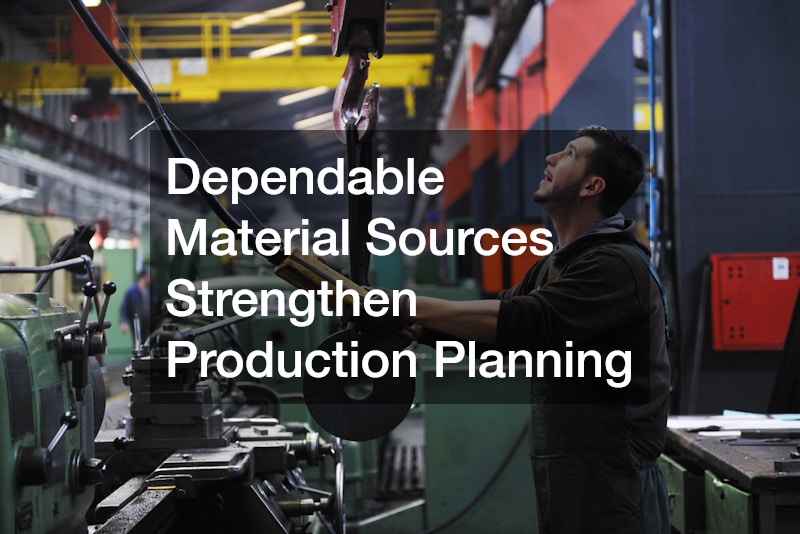
Every manufacturing operation begins with materials. Whether a company works with sheet metal, structural steel, aluminum, tubing, bar stock, or specialty alloys, consistent access to material is essential. Working with a local metal supplier can provide several advantages. Nearby suppliers may offer shorter lead times, easier communication, and faster access to commonly used materials. Local relationships can become particularly valuable when production requirements change unexpectedly. A customer may increase an order, a project may require additional material, or a shipment from another supplier may arrive late. In these situations, having another dependable source nearby can help manufacturers respond quickly. Strong supplier relationships may also improve material planning. Suppliers that understand a manufacturer’s typical requirements can help identify suitable products, maintain commonly requested inventory, and provide guidance when alternatives are needed.
Fast Transportation Helps Prevent Production Delays
Manufacturing schedules depend heavily on transportation. Materials, replacement components, tools, samples, and finished products often need to move quickly between suppliers, facilities, customers, and service providers. When normal shipping methods are too slow, manufacturers may rely on a same day delivery service to transport urgent items. This type of transportation can be especially valuable when a missing component threatens to stop production. Instead of waiting several days for standard shipping, a manufacturer may be able to arrange direct delivery from a supplier. Same-day transportation can also support customer service. Manufacturers occasionally need to deliver replacement products, prototypes, samples, or critical orders on short notice. Having access to responsive courier services provides another option when timing becomes more important than routine shipping schedules.
Waste Removal Keeps Facilities Organized and Safe
Manufacturing facilities produce many types of waste beyond recyclable metal. Packaging, wood, damaged pallets, construction debris, discarded materials, and general facility waste all need to be removed regularly. A dumpster rental can provide a practical solution during cleanouts, renovation projects, equipment replacements, or large facility upgrades. Temporary waste containers are particularly useful during manufacturing expansions. Construction crews may remove old walls, flooring, shelving, packaging, and equipment while new systems are installed. Keeping waste contained helps maintain clear work areas and makes cleanup easier. It can also reduce obstacles around loading docks, production areas, and construction zones. Facilities should choose container sizes based on the amount and type of material being removed. Some materials may require specialized disposal procedures, so manufacturers should understand applicable rules before placing materials into containers.
Strong Partnerships Reduce Operational Risk
One of the greatest benefits of building a dependable supply network is reduced uncertainty. Manufacturing environments face frequent changes, including equipment failures, fluctuating material availability, transportation delays, labor challenges, and changing customer demand. Trusted partners give manufacturers more options when these challenges appear. For example, a machinery supplier may help locate replacement equipment after a breakdown. A courier may deliver a critical component before the next production shift. A material supplier may provide additional inventory when an order increases unexpectedly. These relationships can prevent small problems from becoming major disruptions. Manufacturers should regularly evaluate their supplier network to identify potential weaknesses. If an operation depends entirely on one provider for a critical resource, developing an additional supplier relationship may reduce risk.
Communication Makes Supply Networks More Effective

Strong manufacturing relationships depend on communication. Suppliers need accurate information about specifications, quantities, deadlines, and operating requirements. Manufacturers can improve communication by providing clear purchase orders, technical drawings, delivery instructions, and project schedules. Sharing accurate information reduces misunderstandings and helps suppliers prepare for upcoming requirements. Regular conversations can also help manufacturers learn about changes within their supply network. Suppliers may introduce new products, change lead times, expand services, or experience temporary inventory constraints. Early communication allows both sides to adjust plans before problems affect production. Manufacturers should also provide feedback when suppliers perform well or when improvements are needed. Long-term relationships tend to become stronger when both companies understand each other’s expectations.
Technology Is Changing Supplier Relationships
Digital tools are making manufacturing supply chains more connected. Manufacturers increasingly use inventory management systems, automated purchasing platforms, digital work orders, shipment tracking, and predictive maintenance technology. These tools can provide greater visibility into the resources required to maintain production. Inventory systems can alert purchasing teams when materials fall below predetermined levels. Equipment monitoring systems can identify signs of wear before a machine fails. Transportation platforms can provide real-time shipment updates. Suppliers are also becoming more connected to these systems. Some vendors provide online inventory visibility, automated ordering, digital technical support, and shipment notifications. Greater visibility allows manufacturers to make decisions earlier rather than reacting after a problem occurs.
Local and Specialized Providers Both Matter
Not every manufacturing requirement can be handled by a single vendor. Some services benefit from local availability, while others require highly specialized technical expertise. Manufacturers should build supply networks that combine both. Local providers may offer faster response times and easier onsite support. Specialized suppliers may provide equipment, knowledge, or services that are unavailable within the immediate region. The right balance depends on the manufacturer’s industry, equipment, production schedule, and risk tolerance. Organizations should periodically review their vendor network and determine whether each critical need has adequate support. This review can include machinery, materials, maintenance, transportation, storage, waste management, facility services, and technical support.
Building a More Resilient Manufacturing Operation
Manufacturing success rarely depends on one machine, one supplier, or one process. It depends on the ability of many companies and professionals to work together. Machinery providers support precision production. Material suppliers keep raw materials available. Logistics companies move urgent shipments. Storage specialists help organize inventory. Recycling providers manage valuable scrap. Heavy equipment professionals support facility changes and machinery installations. Each relationship contributes to a larger system. Manufacturers that intentionally develop dependable supplier relationships can create more resilient operations. When unexpected problems occur, they already know which companies to call and what resources are available. The modern manufacturing supply chain is ultimately a network of specialized expertise. By choosing reliable partners, communicating clearly, and planning for both routine needs and unexpected challenges, manufacturers can keep production moving while positioning their facilities for future growth.