
Your home is more than a place to sleep at night. It is your largest investment, your daily environment, and the foundation for your family’s comfort and security. Protecting that investment requires more than occasional repairs. It demands a proactive strategy built around smart upgrades and consistent maintenance.
Too often, homeowners focus on cosmetic updates while overlooking structural systems, energy efficiency, and preventative care. The result can be rising utility bills, recurring repair costs, and avoidable long-term damage. By approaching improvements with a clear plan, you can enhance comfort, reduce unexpected expenses, and preserve property value for years to come.
This guide explores essential home upgrades and maintenance services that provide long-term protection. From structural components to energy efficiency and exterior systems, each section offers practical, actionable advice to help you make informed decisions.
Taking a long-term view of homeownership changes how you prioritize projects. Instead of reacting to emergencies, you anticipate them. Instead of replacing damaged materials, you reinforce and protect them before failure occurs. This mindset not only reduces stress but also helps you budget more effectively. Planned upgrades can often be scheduled during off-peak seasons, when contractors may offer better availability and pricing.
Another benefit of strategic planning is improved safety. Electrical faults, roof leaks, plumbing failures, and pest infestations can all pose health or fire risks if left unaddressed. Regular inspections and preventative services significantly reduce these dangers. Even small improvements—such as sealing gaps, updating insulation, or servicing a water heater—can make a measurable difference in comfort and protection.
Ultimately, the goal is to create a home that performs efficiently in every season, withstands environmental stress, and supports your lifestyle without constant repairs. With thoughtful planning and reliable professional support, your home can remain both comfortable and resilient for decades.
Start With a Whole-Home Assessment Before Planning Improvements
Before investing in upgrades, conduct a thorough evaluation of your property. A structured walkthrough helps identify vulnerabilities and prioritize improvements logically.
During your assessment, examine:
-
Roof condition and visible wear
-
Plumbing fixtures and water pressure
-
Insulation performance in attic and walls
-
Signs of moisture intrusion
-
Flooring wear and uneven surfaces
-
Fence stability and yard drainage
Hiring a roofing contractor for a professional inspection can reveal issues hidden beneath shingles or flashing. Similarly, reputable plumbing companies can assess aging pipes, water heaters, and drainage lines before leaks escalate into structural damage.
Create a written list of findings and categorize them into:
-
Immediate safety concerns
-
Efficiency upgrades
-
Cosmetic improvements
-
Preventative maintenance needs
This approach ensures you address structural and system issues before investing in aesthetics.
It is helpful to document your findings with photos and dates. Keeping a maintenance log allows you to track recurring issues and monitor changes over time. For example, a small ceiling stain that remains stable may simply need observation, while one that grows indicates an active leak requiring immediate attention.
Consider bringing in specialists for targeted evaluations:
-
An HVAC technician to assess heating and cooling efficiency
-
An electrician to inspect panels and outlets
-
A foundation expert if you notice cracks or uneven flooring
Seasonal timing matters as well. Inspect roofs and exterior drainage in spring and fall, when weather shifts reveal vulnerabilities. Check insulation and heating systems before winter. Evaluate cooling performance before summer heat peaks.
By viewing your home as a system of interconnected components, you can better understand how one issue affects another. A leaking roof can damage insulation. Poor drainage can compromise foundations. Worn plumbing can damage flooring. A comprehensive assessment gives you clarity and control over long-term planning.
Protect the Structure From Water and Weather Damage
Your home’s exterior shell defends against wind, rain, and temperature fluctuations. Neglecting it can lead to interior damage, mold growth, and expensive structural repairs.
Schedule regular roof inspections, especially after storms. A qualified roofing contractor will examine:
-
Shingles or roofing material integrity
-
Flashing around chimneys and vents
-
Gutter systems and drainage flow
-
Attic ventilation
-
Underlayment condition
Small issues, such as loose flashing or cracked shingles, can quickly become major leaks if ignored.
Exterior maintenance should also include preventative pest control. Insects and rodents often enter through damaged siding, roof gaps, or poorly sealed vents. Coordinating pest control treatments with exterior repairs reduces entry points and prevents hidden infestations that compromise insulation and framing.
To strengthen exterior protection:
-
Clean gutters twice per year
-
Seal cracks in siding and foundation
-
Trim tree branches away from rooflines
-
Inspect crawl spaces for moisture
Preventative measures cost far less than structural reconstruction.
In addition to roof and siding care, pay close attention to drainage patterns around your home. Water pooling near the foundation can lead to basement leaks, foundation shifting, and long-term structural instability. Ensure that downspouts extend several feet away from the house and that soil slopes gently away from the foundation.
Regularly inspect exterior caulking around windows and doors. UV exposure and temperature fluctuations can cause sealants to crack over time, allowing moisture infiltration. Reapplying high-quality exterior sealant is a simple yet highly effective preventative measure.
Storm preparedness is another important element of structural protection. Secure loose outdoor items before severe weather. Check that fences and gates are reinforced. After storms, inspect the roof and siding promptly to catch damage early.
By consistently maintaining your home’s exterior envelope, you create a durable barrier that shields interior systems from unnecessary wear.
Prevent Plumbing Failures and Hidden Water Damage
Water damage is one of the most expensive and disruptive home issues. Even minor leaks can rot framing, warp flooring, and encourage mold growth.
Work with trusted plumbing companies to conduct periodic system evaluations. Professional inspections often include:
-
Pressure testing supply lines
-
Drain camera inspections
-
Water heater efficiency checks
-
Fixture performance evaluations
Warning signs that require attention include:
-
Unexplained increases in water bills
-
Low water pressure
-
Slow drains
-
Damp spots on ceilings or walls
Moisture problems can also attract pests. Termites and other insects thrive in damp environments, making pest control an important companion service to plumbing maintenance.
Consider proactive upgrades such as:
-
Leak detection sensors
-
Shut-off valves with smart monitoring
-
High-efficiency fixtures
-
Pipe insulation to prevent freezing
Preventing leaks protects structural integrity and maintains healthy indoor air quality.
Don’t overlook smaller plumbing components. Washing machine hoses, dishwasher lines, and refrigerator water supply lines can fail unexpectedly. Replacing rubber hoses with braided stainless steel versions adds an extra layer of protection.
Water heaters deserve special attention. Flushing sediment annually extends lifespan and maintains efficiency. If your unit is more than 10–12 years old, consider budgeting for replacement before failure occurs.
Basement sump pumps should also be tested regularly. A failed sump pump during heavy rainfall can result in significant flooding. Installing a battery backup system adds security during power outages.
By treating plumbing as a preventative priority rather than a reactive fix, you significantly reduce the risk of costly interior damage.
Improve Energy Efficiency and Indoor Comfort Year-Round
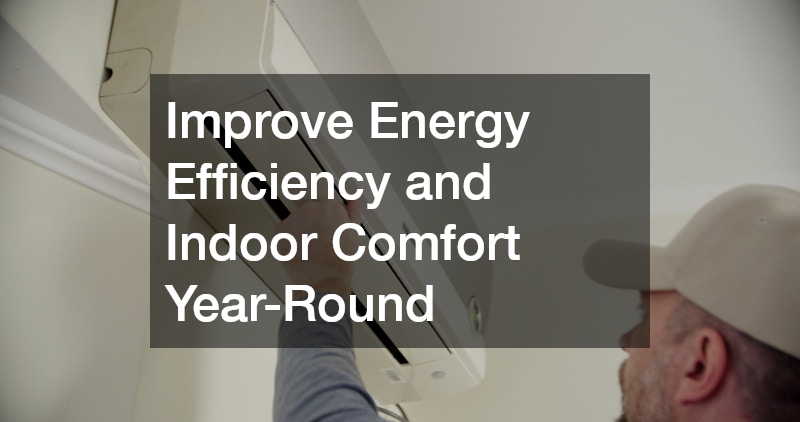
Energy efficiency directly affects comfort and long-term costs. Drafts, inconsistent temperatures, and high utility bills often indicate insulation or sealing problems.
Hiring a house insulation company to evaluate attic, wall, and crawl space insulation can identify gaps and outdated materials. Modern insulation options improve thermal performance and reduce energy loss.
Common upgrades include:
-
Blown-in attic insulation
-
Spray foam sealing
-
Rigid foam board in basements
-
Weatherstripping around doors
These improvements often align with broader home remodeling projects. For example, opening walls during a renovation presents an ideal opportunity to upgrade insulation.
Additional energy-saving measures:
-
Install programmable thermostats
-
Seal ductwork
-
Upgrade windows
-
Improve attic ventilation
Energy efficiency upgrades not only reduce monthly bills but also improve overall indoor comfort throughout the year.
Air sealing is just as important as insulation depth. Gaps around electrical outlets, recessed lighting, and attic hatches allow conditioned air to escape. Sealing these areas increases overall performance without major renovation.
Consider conducting an energy audit to identify inefficiencies. Thermal imaging can reveal hidden air leaks and insulation gaps. Many homeowners are surprised to discover that small improvements can yield measurable savings.
Upgrading HVAC systems may also be worth exploring if equipment is outdated. Modern high-efficiency units operate more quietly and consume less energy. Pairing upgraded insulation with improved HVAC performance creates a comprehensive comfort strategy.
By improving energy performance, you create a home that stays warmer in winter, cooler in summer, and more affordable to maintain year after year.
Upgrade Kitchens and Bathrooms for Long-Term Value
Kitchen and bathroom improvements consistently deliver strong returns on investment. However, long-term durability should guide design decisions.
When planning home remodeling projects, prioritize functional layouts, moisture-resistant materials, and efficient storage.
Countertop selection is especially important. A granite countertop offers durability, heat resistance, and timeless appeal. Its strength makes it well-suited for busy kitchens, while its visual impact enhances resale value.
During remodeling, consider:
-
Upgrading plumbing lines
-
Improving ventilation systems
-
Installing water-efficient fixtures
-
Reinforcing cabinetry for heavy stone surfaces
Avoid purely cosmetic updates without addressing underlying infrastructure. Coordinating plumbing upgrades during remodeling minimizes future disruptions.
Well-planned renovations enhance both everyday usability and long-term property value.
Enhance Flooring for Durability and Performance
Flooring affects aesthetics, comfort, and structural performance. Worn or damaged flooring may indicate deeper subfloor issues.
Consulting a reputable flooring company ensures proper material selection and installation techniques.
Popular flooring options include:
-
Hardwood for warmth and longevity
-
Luxury vinyl for moisture resistance
-
Tile for durability in wet areas
-
Engineered wood for stability
In kitchens and bathrooms with granite countertop installations, moisture-resistant flooring is especially important. Proper underlayment and sealing prevent water infiltration beneath surfaces.
Before installation, evaluate:
-
Subfloor condition
-
Moisture levels
-
Traffic patterns
-
Compatibility with radiant heating
Quality installation prevents shifting, cracking, and premature wear.
Secure the Property and Improve Outdoor Systems
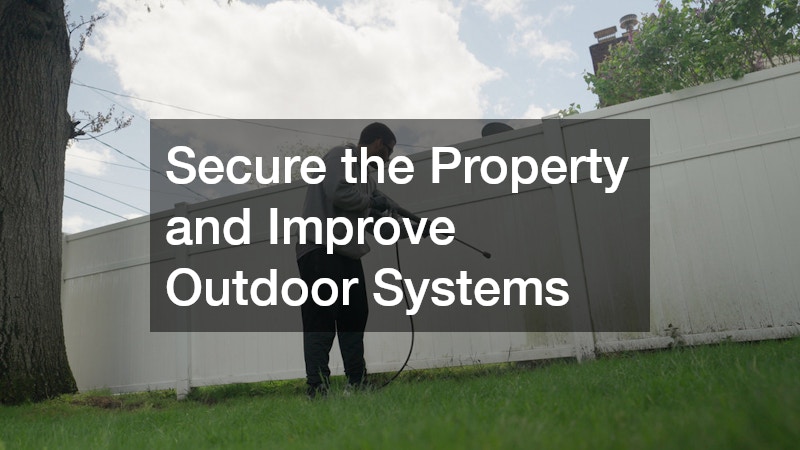
Exterior features influence security, privacy, and curb appeal.
Working with a local fencing company ensures fences are properly installed and aligned with property boundaries. Professional installation prevents leaning posts, drainage issues, and premature deterioration.
Material options include:
-
Pressure-treated wood
-
Vinyl
-
Aluminum
-
Composite
When enhancing landscaping, an efficient sprinkler system protects lawns and gardens from drought stress. A well-designed sprinkler system conserves water by delivering targeted irrigation based on soil and plant needs.
Coordinate fencing and irrigation planning to avoid damaging underground lines.
Additional outdoor improvements include:
-
Soil grading for drainage
-
Mulching and erosion control
-
Landscape lighting
-
Routine fence inspections
Strong exterior systems protect your property while enhancing visual appeal.
Prepare for Emergencies With Reliable Backup Power
Power outages can disrupt daily life and damage appliances. Installing a whole home generator provides peace of mind during storms and grid failures.
A whole home generator connects directly to your electrical panel, automatically supplying power when outages occur.
Before installation, assess:
-
Household energy demands
-
HVAC requirements
-
Refrigerator and medical equipment needs
-
Fuel type options (natural gas, propane)
Professional installation ensures safe integration with your electrical system.
Benefits include:
-
Protection against food spoilage
-
Continued heating or cooling
-
Operational sump pumps
-
Enhanced security system reliability
Backup power safeguards both comfort and property integrity.
Beyond basic functionality, consider how often your area experiences outages and how long they typically last. In regions prone to severe weather, extended blackouts can cause frozen pipes in winter or dangerous indoor temperatures in summer. A properly sized generator prevents these secondary risks. It’s also wise to schedule annual servicing to test the system, replace filters, and confirm fuel connections remain secure. Routine testing ensures the unit activates automatically when needed, eliminating uncertainty during high-stress emergency situations.
Create a Long-Term Maintenance Plan That Protects Your Investment
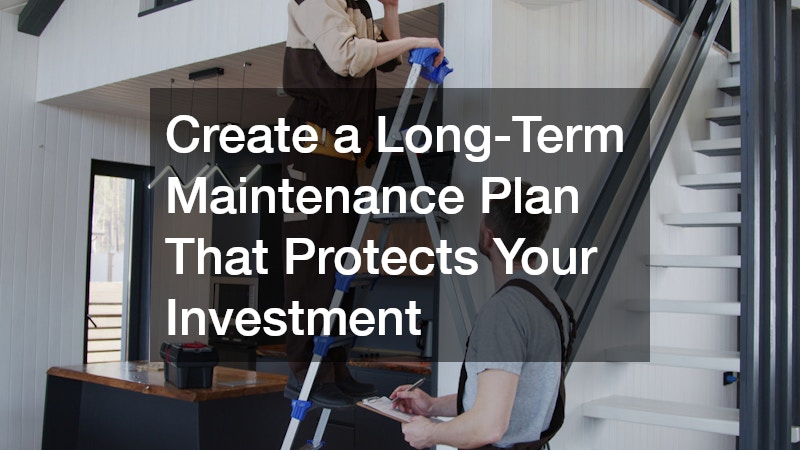
Upgrades are only effective when supported by routine maintenance. Establish a seasonal maintenance schedule to prevent small issues from escalating.
Spring and fall checklists may include:
-
Roof inspections
-
Gutter cleaning
-
Plumbing system checks
-
Fence repairs
-
Irrigation system adjustments
-
Insulation inspections
Schedule recurring pest control treatments to prevent infestations before they cause structural damage.
Maintain organized records of:
-
Service dates
-
Warranty documents
-
Contractor contact information
-
Inspection reports
Budget annually for preventative care. Allocating funds proactively reduces the financial strain of emergency repairs.
Partnering with reliable service providers builds long-term relationships and ensures consistent oversight of critical systems.
To stay organized, consider using a digital calendar with automatic reminders for recurring services and inspections. Breaking maintenance tasks into manageable monthly goals makes them less overwhelming and easier to complete consistently. Reviewing your maintenance plan at the start of each year also allows you to adjust for aging systems or upcoming replacement timelines. A structured plan transforms homeownership from reactive problem-solving into steady, predictable stewardship that protects both comfort and long-term property value.
Conclusion
Maintaining a comfortable and secure home requires thoughtful planning, strategic upgrades, and consistent maintenance. By prioritizing structural protection, energy efficiency, and preventative care, you can reduce unexpected costs while improving everyday comfort.
From roofing and plumbing to insulation, flooring, landscaping, and backup power, each component plays a role in protecting your investment. Taking a proactive, organized approach ensures your home remains safe, efficient, and resilient for years to come.
Consistency is what ultimately preserves value. Small, routine actions—cleaning, inspecting, servicing, and documenting—compound over time into significant protection. When systems are maintained and upgrades are planned carefully, your home becomes more than just a shelter; it becomes a dependable, high-performing asset. With steady attention and informed decision-making, you can enjoy lasting comfort, stronger protection against unexpected events, and greater confidence in the long-term stability of your property.