Navigating the world of electrical services can be a complex task, especially when it comes to distinguishing between commercial and industrial electrical services. Both are critical to various sectors, each playing unique roles in powering businesses and industries. Understanding the key differences between these two types of services is essential for business owners and facility managers to ensure they are utilizing the right solutions to meet their electrical needs.
In this blog post, we’ll delve into the specific characteristics that set commercial and industrial electrical services apart and explain why these differences matter for anyone responsible for maintaining electrical systems.
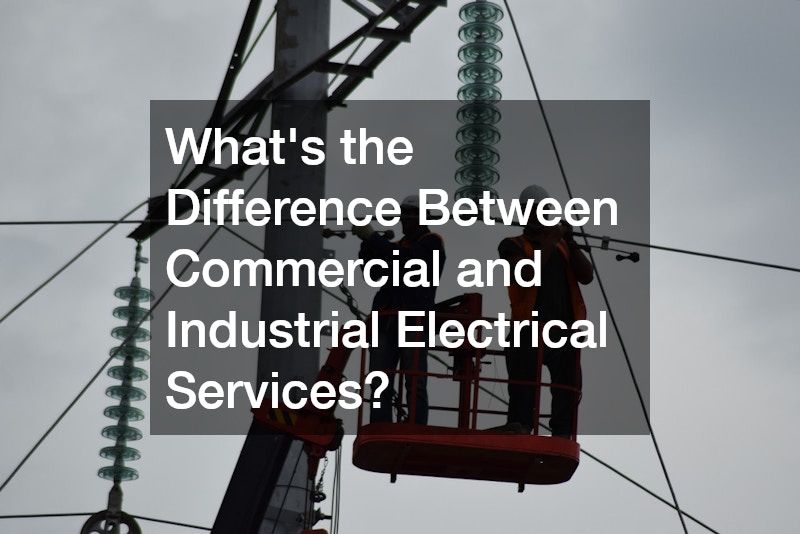
Commercial electrical services mainly focus on office buildings, retail stores, and other business-related installations. This kind of service typically includes the installation, maintenance, and upgrading of electrical systems in commercial facilities. A primary aspect of commercial electrical services is the emphasis on creating a safe and efficient environment for employees and customers. This includes ensuring that lighting systems are properly installed, providing adequate power to all necessary outlets, and making sure that any power disruptions are quickly addressed to minimize downtime. The goal is to maintain a seamless and productive business operation.
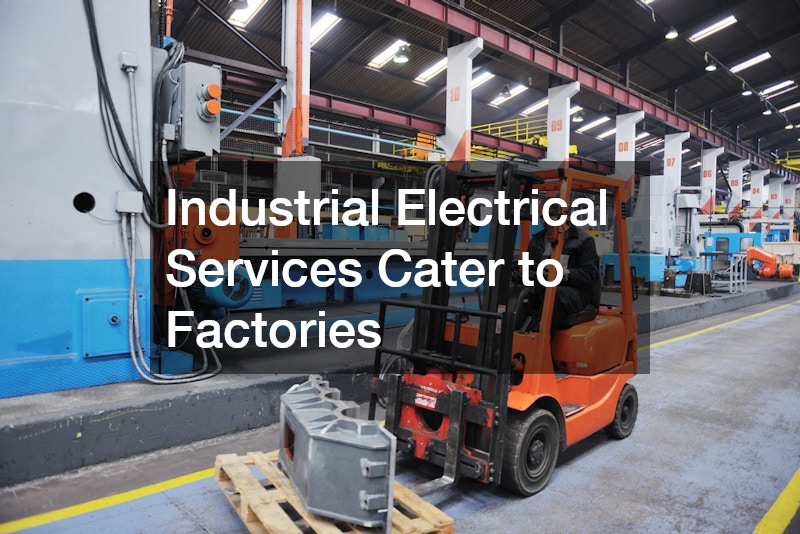
On the other hand, industrial electrical services cater to factories, manufacturing plants, and other large-scale industrial facilities. These services are characterized by their need to support high-capacity electrical systems essential for operating heavy machinery and complex industrial processes. The industrial environment demands specialized knowledge due to its high power requirements and the necessity for dealing with more sophisticated electrical systems. This type of service often involves designing and maintaining electrical systems that can handle the heavy demand of industrial equipment, focusing more on power distribution systems, motors, panel boards, and transformers.
One key difference between these two services is the regulatory standards they must adhere to. Both commercial and industrial electrical services are governed by stringent safety standards, but industrial services often face more rigorous regulations. Industrial environments typically involve more hazardous materials and activities, demanding heightened safety protocols and considerations in the design and maintenance of electrical systems. For instance, electrical systems in industrial settings must accommodate the potential for explosive atmospheres, high temperatures, and potentially aggressive environmental conditions, which may not be as critical in a commercial environment.
Complexity also sets commercial and industrial electrical services apart. While commercial services deal with complex systems, industrial services often involve even more intricate and large-scale projects. Analyzing the electrical needs and providing solutions in an industrial setting might necessitate a bespoke system design tailored to specific operational requirements. In comparison, commercial electrical services, though detailed, usually incorporate more standardized solutions aligned with common commercial electrical needs. Commercial projects might focus more on ensuring widespread lighting and power for office equipment, whereas industrial projects might require integrating vast networks of equipment and control systems, making the work significantly different.
Another critical factor is the equipment used by electricians in commercial and industrial sectors. For commercial electrical services, the tools and equipment might be relatively standard, focusing on installations, repairs, and upgrades in office and retail spaces. However, industrial electrical services demand more specialized equipment designed to handle high voltage systems and intricate machinery. Electricians in the industrial field must also be more versed in using advanced electrical testing and monitoring equipment to ensure the efficient operation of industrial systems. Understanding the specific requirements and having the right tools is crucial to successfully managing the electrical demands within these environments.
In conclusion, while there are similarities in the skill sets required for commercial and industrial electrical services, there are distinct differences in their applications, complexity, and the regulations they need to follow. Commercial services revolve around creating efficient, safe, and customer-friendly environments, whereas industrial services focus on supporting complex, high-capacity systems necessary for industrial operations. By understanding the unique aspects of each service, facility managers and business owners can better align their electrical needs with appropriate solutions, ensuring both safety and efficiency in their operations. Whether setting up a new commercial space or optimizing an industrial plant, choosing the right electrical service tailored to specific requirements is crucial.